A Simple Guide to Translating Egyptian Arabic
4 minute read
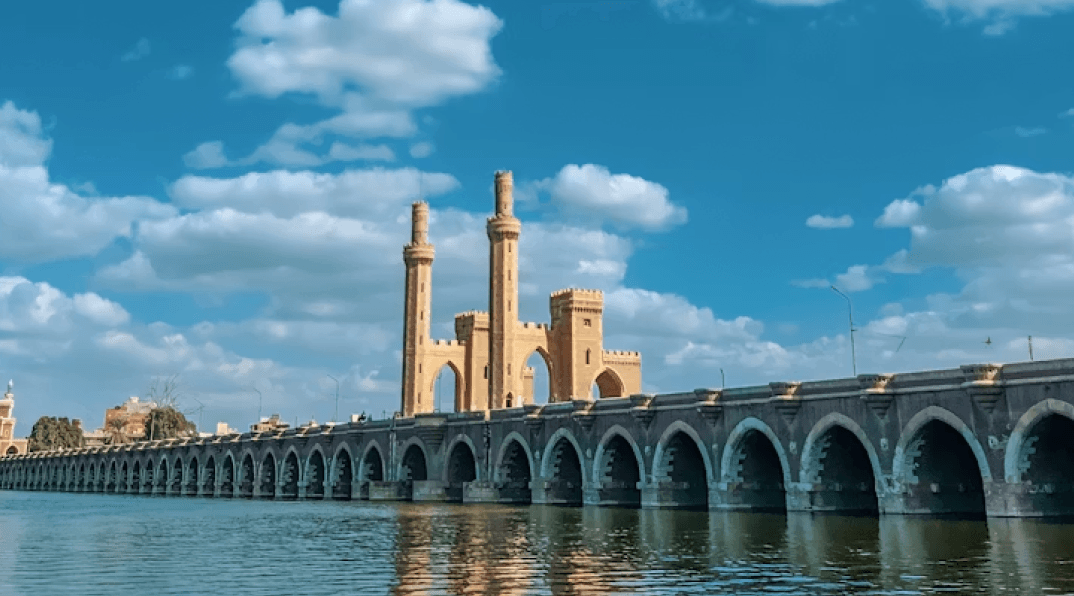
If you have ever watched an Arabic movie or listened to Arabic pop music, you’ve probably heard Masri.
Masri is the Egyptian dialect of Arabic. It is the language of the streets of Cairo, the most famous cinema in the Middle East, and everyday life in Egypt. While Modern Standard Arabic (MSA) is used for news and official documents, Masri is used for feelings, jokes, and arguments.
Translating Masri into English (or any other language) can be tricky. Here is a simple guide to understanding how it works.
It’s Not Textbook Arabic
The biggest mistake beginners make is trying to use a standard Arabic dictionary.
MSA (Formal): Kaifa haluk? (How are you?)
"How are you?" / MSA
Masri (Street): Ezzayyak? (How are you?)
"How are you?" / Egyptian Masri
When translating, remember that Masri cuts corners. It drops grammatical endings and changes the pronunciation of letters (for example, the letter "Jeem" is pronounced as "G" in "Go").
Context is Everything
Egyptians are very expressive. One word can mean five different things depending on the tone of voice.
The Word: Mashi (ماشى)
Literally, this comes from the verb "to walk." However, it is the most common way to say "Okay" in Egypt.
Context A (Agreement):
Speaker: "Yalla nigeeb pizza?" (يالا نجيب بيزا؟) (Let's get pizza?)
Response: "Mashi, maaki flouss?" (ماشي ,معاكي فلوس؟) (Okay, you got money?)
Meaning: "Okay / Agreed."
Yalla nigeeb pizza? / Mashi, maaki flouss?
Context B (Action):
Speaker: "Ana mashi delwa2ti." (انا ماشي دلوقتي) (I am leaving right now.)
Meaning: "I am walking away / Going."
Ana mashi delwa2ti
The Word: Habibi (حبيبي)
You probably know this means "My love." But in Egypt, tone is everything.
Context A (Affection):
Speaker: "Ezzayyak ya habibi?" (إزيك يا حبيبي؟) (How are you, my dear?)
Meaning: "My love / Dear friend."
Izzayyak ya habibi
Context B (Frustration/Road Rage):
Speaker: "Fatta7 3eenak ya habibi!" (!فتح عينك يا حبيبي) (Open your eyes!)
Meaning: "Buddy / Pal" (Here, it is sarcastic and aggressive—not romantic at all).
Fatta7 3eenak ya habibi!
Beware of "Idioms" (Funny Phrases)
Masri is famous for phrases that make no sense if you translate them literally. You must translate the meaning, not the words.
The Phrase: Dammo khafeef (!دمو خفيف)
Literal Translation: "His blood is light." (This sounds like a medical condition in English!)
Real Meaning: He is funny, charming, or easy to get along with.
Dammo khafeef
The Phrase: Ala rasi (على راسي)
Literal Translation: "On my head."
Real Meaning: I will do this for you happily/with respect.
Ala rasi
The "Franco" Challenge
If you are translating text messages or social media posts, you might see numbers mixed with letters. This is called Franco-Arabic or Arabizi. Since Latin keyboards don't have all Arabic sounds, Egyptians use numbers that look like Arabic letters.
3 = The letter ‘Ayn’ (ع) (a deep throat sound).
Letter Ain
7 = The letter ‘Haa2’ (a heavy H).
Letter Haa2
Example: “A7med byel3ab barra?” (احمد بيلعب برا) translates to "Ahmed is playing outside."
Ahmed byel3ab barra
The Golden Rule
When translating Egyptian Masri to English, French, or Spanish, focus on the vibe. Egyptian culture is warm, loud, and humorous. A good translation captures the emotion of the speaker, even if you have to change the words slightly to make sense in the new language.